I talk to skincare and supplement founders every week who watch their cash disappear before they even sell one unit. The excitement of a new launch turns into stress when packaging forces them to order far more than they can sell.
The inventory trap happens when high minimum order quantities[^1] force DTC brands[^2] to buy thousands of boxes, pouches, or mailers upfront. This ties up capital, risks overstock, and kills cash flow for marketing and growth. In 2026, smart brands avoid it by choosing suppliers that start from just 500–1,000 pieces.

The Inventory Trap in DTC Launches
Most founders do not see the danger until it is too late. Let me show you exactly how this trap works and how to escape it safely with your next launch.
Why Most Skincare & Supplement Brands Lose Money Before They Even Launch
You have the perfect formula. The branding looks premium. Then the packaging quote arrives and everything changes.
High MOQ requirements mean you must order 5,000 or 10,000 units just to get started. Many skincare and supplement brands end up with unsold inventory[^3] sitting in warehouses while their marketing budget runs dry.
I remember one supplement founder who came to me after losing $48,000 on dead stock. He ordered large quantities of rigid boxes[^4] because the supplier offered a “better price per unit.” The product tested well with friends but sales were slow in the first three months. He had to discount heavily and still wrote off a big portion.
This story repeats across the industry. Here is why it hurts so much:
- Cash is locked in boxes instead of ads or influencer campaigns.
- You cannot test different variants or flavors without huge risk.
- Slow sales mean storage fees[^5] and eventual write-offs.
Skincare brands face extra pressure because trends change fast. What sells today may need a new look in six months. High MOQ leaves you stuck with outdated packaging.
Let me show you the real numbers many founders ignore.
| Stage of Launch | Typical High MOQ Cost Impact | What Actually Happens |
|---|---|---|
| Pre-launch | $15,000 – $60,000 tied up | Capital not available for marketing |
| First 3 months | Slow sales, rising storage fees[^5] | Cash flow crisis begins |
| 6 months later | Heavy discounting[^6] or write-offs | Margins destroyed, confidence drops |
These costs hit hardest when you are still proving product-market fit[^7]. I see Operations Leads stressed because they know the numbers but founders push forward anyway.
At Chocopackage we see this problem daily. That is why we built our model around low MOQs from 500–1,000 pieces. You stay flexible and keep money where it creates growth.
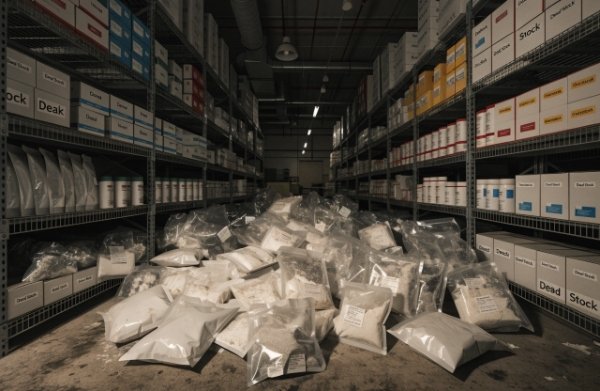
High MOQ Problems for Supplement Brands
Our nutraceuticals and supplements packaging solutions are designed exactly for brands like yours.
The Deadly Inventory Trap Most DTC Brands Fall Into in 2026
The trap looks harmless at first. A supplier promises lower unit prices if you order more. You say yes because it feels like a smart business decision.
In 2026 the inventory trap still kills launches because high MOQ packaging forces brands to overcommit capital, limits testing, and creates massive risk if the product does not sell as expected.
Here is how the trap works step by step:
- You need packaging for a new serum or supplement line.
- Traditional factories demand 5,000+ units minimum.
- You order to get the “discount,” hoping sales will cover it.
- Reality hits — first-month sales are lower than projected.
- You now own thousands of unsold boxes, pouches, and mailers.
The hidden costs add up fast:
- Storage and insurance fees every month
- Opportunity cost — money you cannot spend on ads or new product development
- Pressure to discount, which trains customers to wait for sales
- Damaged brand perception[^8] when you push old stock
Supplement brands suffer even more because bottle sizes and label variations multiply the inventory problem. One small change in formula strength means you cannot reuse the old packaging.
I worked with a wellness brand that fell into this trap twice. After the second time they switched to us. Their first order was only 800 rigid boxes[^4]. They tested, gathered feedback, and scaled the winning design without ever sitting on dead stock.
Bullet points that show the real pain:
- Cash flow becomes negative before revenue starts
- You cannot pivot quickly when customer feedback[^9] arrives
- Sustainable and compliant materials often come with even higher MOQs from big factories
- Fear of “what if it doesn’t sell” stops many great ideas from launching at all
Our low MOQ approach breaks this cycle. You launch lean, learn fast, and scale only what works.
Explore our [rigid boxes](https://www.primelinepackaging.com/blog/top-benefits-custom-rigid-boxes/)[^4] and folding cartons that start small but still look and feel premium.
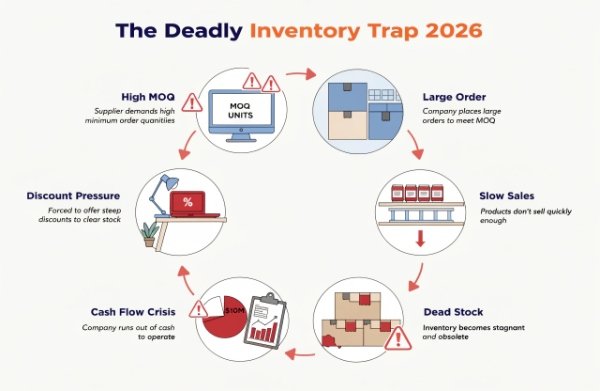
2026 Inventory Trap Explained
We also support stand-up pouches and sustainable shipping mailers with the same flexible quantities[^10].
How to Launch Safely with Low MOQ Packaging – A Practical 2026 Strategy
You do not need to gamble thousands of dollars to test your idea.
The safe way to launch in 2026 is to start with low MOQ packaging[^11] (500–1,000 pieces), use fast 7-day prototyping, test real customer response, gather feedback, then scale only the winners. This strategy keeps risk low and cash available for growth.
Here is the exact playbook I share with every founder who works with us:
- Define your core packaging needs — rigid box, pouch, or mailer.
- Request rapid prototypes in your brand colors and finishes.
- Order a small test batch of 500–800 units.
- Launch to a limited audience and measure real sales data.
- Iterate based on feedback and reorder larger quantities of the proven design.
This method changes everything. You stay agile. You avoid overstock. You keep money for marketing that actually drives sales.
Many Product Development Managers love that we support complex finishes like spot UV, embossing, and hot foil even at low quantities. Your unboxing still feels luxurious.
Here is a simple comparison that helps founders decide:
| Approach | Risk Level | Cash Tied Up | Speed to Launch | Ability to Iterate |
|---|---|---|---|---|
| Traditional High MOQ | Very High | $20,000+ | Slow | Very Limited |
| Low MOQ Strategy | Low | $3,000 – $8,000 | Fast | High |
Our 7-day rapid prototyping[^12] means you can see and feel the packaging in your hands within one week. No more waiting 4–6 weeks and hoping it works.
We also provide custom labels & tags that match your branding perfectly from the first small order.
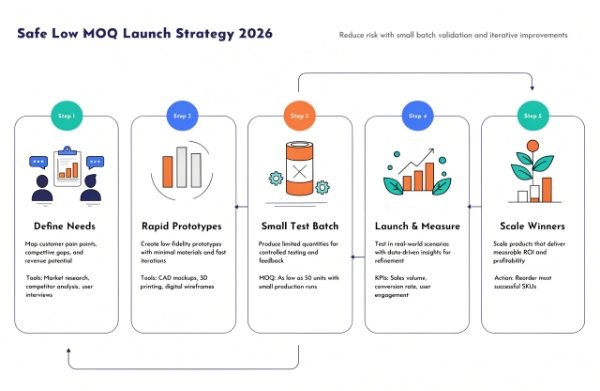
Practical 2026 Low MOQ Strategy
This approach works especially well for compliant and sustainable materials[^13] that regulators now demand. You test green options without betting the farm.
Why Choco Package Helps You Avoid the Inventory Trap Better Than Traditional Suppliers
Traditional suppliers built their business around large runs. We built ours around DTC reality.
Choco Package helps you avoid the inventory trap with ultra-low MOQs starting at 500–1,000 pieces, 7-day rapid prototyping[^12], elite color consistency, full compliance support[^14], and end-to-end service that keeps your launch on track.
As Product Manager here, I make sure every client gets the flexibility they need. Our Risk Mitigator strength means you never tie up capital you might need later. Our Brand Guardian technology delivers flawless color matching (ΔE < 1) so your premium positioning[^15] stays strong even on small runs.
Founders tell me three things set us apart:
- We never say “no” to custom structures or special finishes at low quantities.
- We provide clear documentation for sustainable claims so you stay compliant.
- Our global DDP delivery removes logistics surprises.
One skincare brand tested three different pouch designs with us using only 600 units each. They picked the winner, scaled to 5,000, and still had cash left for a strong launch campaign.
You can visit https://www.chocopackage.com/ to see our full range and read stories from other DTC brands[^2].
Your 2026 Launch Action Plan: Start Small, Scale Smart, Stay Profitable
Stop guessing. Start with a clear plan instead.
Your 2026 action plan is simple: audit your current packaging needs, request low MOQ samples this week, test with real customers, measure results, then scale the winning designs. This keeps you profitable and in control.
Exact steps to follow right now:
- List all packaging items you need for the launch.
- Contact suppliers who offer true low MOQs and fast sampling.
- Order small test batches in your brand colors.
- Launch a limited run and collect feedback quickly.
- Reorder larger quantities only for what is selling.
Brands that follow this plan reduce launch failure rates dramatically. They also keep cash free for the marketing that actually grows the business.
At Chocopackage we guide you through every step. Our free checklist helps you ask the right questions and avoid common mistakes.
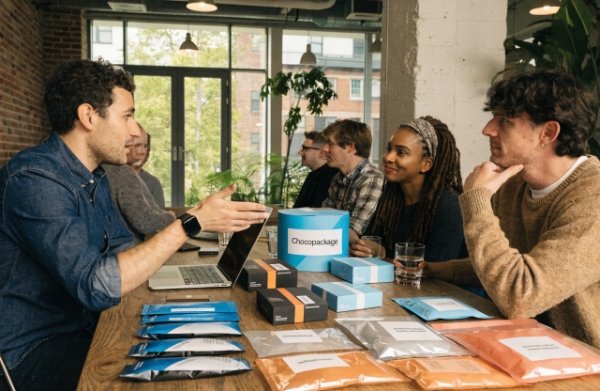
Start Small Scale Smart DTC Strategy
The smartest skincare and supplement brands in 2026 launch lean and scale with confidence.
Get Your Free 2026 Low MOQ Launch Checklist + Quote
Talk to our DTC Packaging Expert on WhatsApp for fast answers.
Or request a free sample kit to see the quality for yourself.
Limited early 2026 support is available for skincare & supplement brands — secure your low-risk packaging supply before peak season.
The inventory trap is one of the most expensive and avoidable mistakes in skincare and supplement launches. High MOQ requirements force brands to overstock, tie up capital, and risk massive losses if the product doesn’t sell as expected.
In 2026, the smartest DTC brands[^2] are those that launch with low MOQ, high-quality, compliant packaging — allowing them to test the market safely, iterate quickly, and scale profitably without unnecessary risk.
Don’t let high minimum orders kill your next launch. Choose a packaging partner who understands the real needs of DTC brands[^2] and offers flexible, sustainable solutions from just 500 pieces.
Visit our blog for more launch tips or contact us today to get started.
[^1]: Understanding the implications of high MOQs can help you make informed decisions for your brand.
[^2]: Stay informed about the evolving challenges and opportunities for DTC brands in the market.
[^3]: Explore solutions to prevent unsold inventory from hurting your business's bottom line.
[^4]: Find out why rigid boxes can elevate your product presentation and customer experience.
[^5]: Discover strategies to effectively manage inventory and reduce unnecessary storage costs.
[^6]: Understand the potential downsides of discounting and how it can affect brand perception.
[^7]: Understanding product-market fit is crucial for successful launches and long-term growth.
[^8]: Explore the relationship between packaging design and consumer perception of your brand.
[^9]: Learn the importance of customer feedback in refining products and enhancing market fit.
[^10]: Discover how flexible ordering can help brands adapt to market demands and reduce risk.
[^11]: Learn how low MOQ packaging can reduce risk and improve flexibility for new brands.
[^12]: Explore how rapid prototyping can speed up your product development process and reduce costs.
[^13]: Discover how sustainable packaging can enhance your brand's image and appeal to eco-conscious consumers.
[^14]: Learn about the significance of compliance support in ensuring your packaging meets regulations.
[^15]: Understand how to uphold a premium brand image even with lower order quantities.