You pour weeks into perfecting your sample. Then the bulk order arrives. The colors look off. The finish feels cheap. Your launch date slips, and returns start piling up. I see this pain every month as a product manager at Chocopackage.
The key is to treat your approved sample as a binding quality standard, not just a pretty prototype. In 2026, brands that lock in a Golden Sample[^1] with strict color control[^2] (ΔE < 1) and pre-production checks[^3] avoid costly mismatches. This simple step cuts disputes, protects your premium positioning[^4], and keeps launches on track.
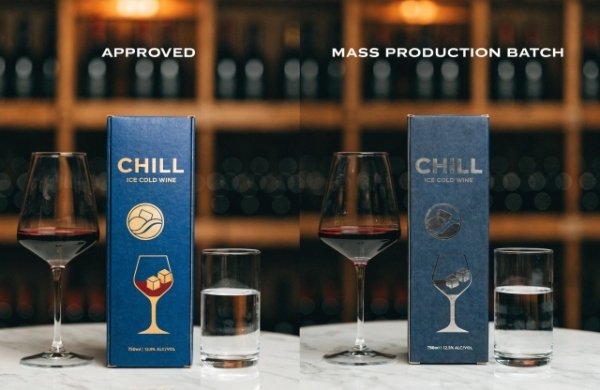 Sample vs mass production comparison showing color mismatch
I have watched too many DTC founders lose sleep over this exact issue. Keep reading. I will show you why the mismatch happens, how to stop it, and exactly what we do at Chocopackage to make sure your bulk always matches your sample.
Why Sample vs Mass Production Mismatch Is Still One of the Most Expensive Mistakes in 2026?
Your sample looks luxury. The mass production batch arrives dull and inconsistent. Customers notice. They leave bad reviews. Your brand trust drops fast.
Sample-to-bulk mismatch costs DTC brands[^5] thousands in returns, delayed launches, and damaged reputation. In 2026, color variation[^6] and quality drop remain top reasons for order disputes. Fixing this early saves time and money.
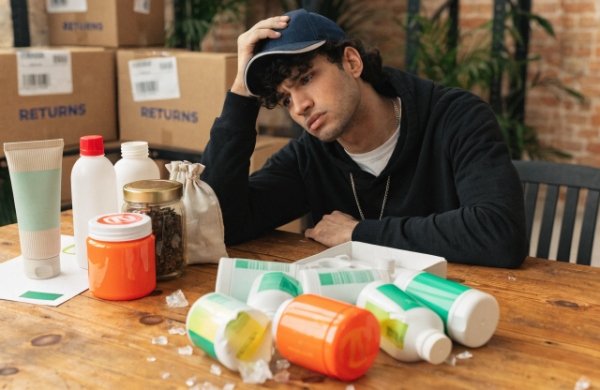 Expensive packaging mistake with returns and unhappy customers
This problem hits harder than most founders admit. I remember one skincare brand I worked with last year. They loved their rigid box sample for a new serum line. The bulk came with visible color shifts on the embossing. They had to reprint 3,000 units. That delay killed their holiday window. The founder told me the financial hit was painful, but the hit to team morale hurt more.
Let me break this down so you see the real cost clearly.
The Hidden Costs of Mismatch
Mismatch does not just look bad. It hurts your business in several ways:
- Customer Returns Rise — Shoppers expect the premium unboxing they saw in your marketing. When the box feels different, they send it back.
- Launch Delays — You wait for reprints or new production runs. Your marketing team sits idle.
- Reputation Damage — Negative reviews mention “cheap packaging” even if your product is excellent.
- Cash Flow Pressure — You pay for the bad batch, then pay again for the fix.
Here is a quick table that shows what I see across our clients in cosmetics, supplements, and luxury gifts:
| Issue | Typical Cost Impact | How Often I See It in 2026 |
|---|---|---|
| Color mismatch (ΔE > 2) | $2,000 – $15,000 in reprints | Very common |
| Material variation | Higher return rate (8-15%) | Common |
| Finish inconsistency | Lost repeat purchases | Common |
| Delayed launch | Missed revenue window | Frequent |
These numbers come from real projects we handled at Chocopackage. The brands that avoid these costs treat the sample stage as serious quality control, not just a quick approval.
I always tell our operations team: one bad batch can undo months of brand storytelling. That is why we built our process differently.
The Most Common Reasons Samples Look Perfect But Mass Production Fails
Factories show you a beautiful hand-finished sample. Then the real production run looks nothing like it. You feel tricked.
Many suppliers use better materials, special hand work, or different machines for samples. When they switch to mass production, they cut corners to save time or cost. This creates visible differences in color, texture, and durability.
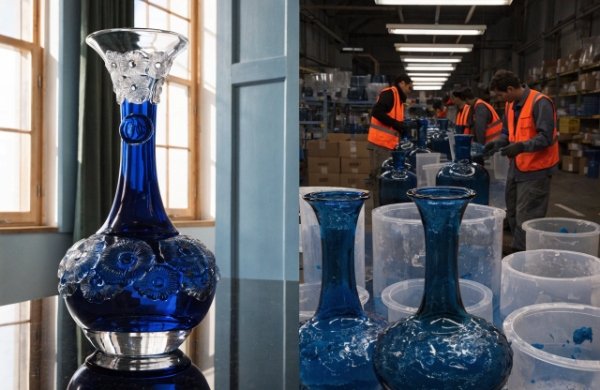 Factory sample tricks vs real mass production
I have seen this pattern repeat across many suppliers. Let me share the most common traps so you can spot them early.
Top Reasons for Failure
-
Different Printing Methods
Sample uses digital proofing with rich colors. Mass production switches to flexo or offset that cannot match the vibrancy. -
Material Batch Variation
The sample uses premium stock from one lot. Bulk uses cheaper or different batch stock to hit price targets. -
Hand-Finishing vs Machine
Sample gets extra spot UV or embossing done by hand. Production line cannot repeat the precision at scale. -
No Pre-Production Approval
Suppliers skip the PP sample step and go straight to full run. Small changes compound into big problems. -
Worker Skill Differences
Sample room has senior craftsmen. Production floor has newer staff with less training.
Here is a simple checklist I give to every new client:
- Ask if the sample uses the exact same raw materials as bulk.
- Request photos of the production line setup[^7] before you approve.
- Demand a sealed Golden Sample[^1] with signatures.
- Check if they control the full process in-house.
At Chocopackage, we control design, sampling, and production under one roof. This removes many of these hidden switches. You can learn more about how we work on our about page.
How to Ensure Your Samples Actually Match Mass Production – A Practical 2026 Checklist
You want confidence when you approve a sample. You need proof that the bulk will look exactly the same.
Use a clear checklist and insist on a Golden Sample[^1]. In 2026, brands that demand ΔE < 1 color control[^2], material specs, and pre-production runs get consistent results every time.
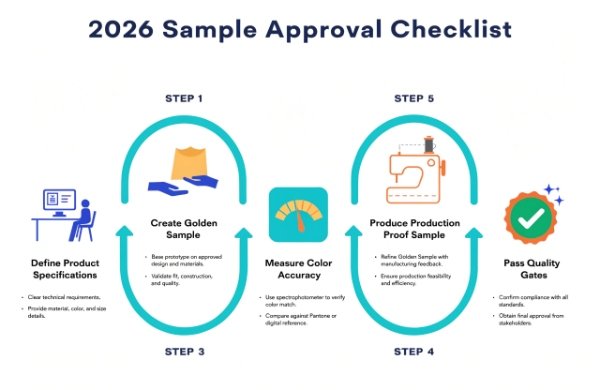 Practical checklist for sample approval
I built this checklist from years of fixing other suppliers’ mistakes. Follow it and you will sleep better before every launch.
Step-by-Step Checklist for 2026
Step 1: Define Exact Specifications
Write down material type, thickness, color codes, and finish details. Share this document before sampling starts.
Step 2: Request a Golden Sample[^1]
Ask for a sealed and signed sample that both sides approve. Keep one copy with you and one with the supplier.
Step 3: Demand Color Measurement
Require spectrophotometer[^8] reports showing ΔE < 1 between sample and production target.
Step 4: Approve a Pre-Production (PP) Sample
See a small run from the actual production line before full mass production.
Step 5: Check In-House Control
Confirm the supplier handles printing, finishing, and assembly themselves. No hidden subcontractors.
Step 6: Set Quality Gates
Agree on inspection points[^9] and what happens if the batch fails.
I use this exact checklist with our clients in skincare and wellness. One founder in Los Angeles told me it saved her team three weeks of back-and-forth on a custom folding carton project.
For more ideas on different packaging formats, check our [rigid boxes](https://www.plusprinters.com/blog/what-are-rigid-boxes/?srsltid=AfmBOooRPR-coJ1B25Bj4MgAou8Gv0z70-50uhN_xsOkN_qhpUnVdW_j)[^10] or [folding cartons](https://en.wikipedia.org/wiki/Folding_carton)[^11] pages.
Quick Comparison Table – Amateur vs Professional Approach
| Aspect | Amateur Supplier Approach | Professional (What We Do) |
|---|---|---|
| Sample Purpose | Marketing tool | Binding quality standard |
| Color Control | Visual check only | Spectrophotometer + ΔE < 1 |
| Pre-Production | Skipped | Always required |
| Material Consistency | Changes between sample and bulk | Same batch locked in |
| Documentation | Minimal | Full technical specs + Golden Sample[^1] |
This table helps my team explain the difference to new clients fast.
How Choco Package Guarantees Sample-to-Bulk Consistency
You worry about consistency when you work with a new supplier. I understand that fear completely.
At Chocopackage we guarantee sample-to-bulk match through our Golden Sample[^1] process, elite color-matching technology (ΔE < 1), and full in-house control. Our clients in cosmetics and nutraceuticals see zero major mismatches in 2025-2026.
As Product Manager here, I personally review every new project. We start with your vision and lock it in early.
Our Proven Process
We follow four simple but strict steps:
-
Rapid Prototyping (7 days)
You get physical samples fast so you can test feel and look. -
Golden Sample[^1] Approval
We create a sealed sample with full specs. Both sides sign it. -
Color and Quality Control
We use spectrophotometer[^8]s and maintain ΔE < 1 across all batches. Our Brand Guardian strength makes this possible. -
Pre-Production Run + Inspection
We produce a small PP batch from the real line. You approve before we start full production.
This process works especially well for premium DTC brands[^5]. You can see examples in our cosmetics personal care and nutraceuticals supplements projects.
I remember a CBD brand that came to us after two failed suppliers. Their sample looked perfect elsewhere, but bulk always shifted. We delivered their rigid boxes[^10] with perfect color match on the first run. Their unboxing videos[^12] now get shared widely.
We also help with sustainable options that meet 2026 regulations. Check our [sustainable shipping mailers](https://www.uspsdelivers.com/sustainable-shipping-logistics/)[^13] if eco-compliance is on your mind.
Stop Risking Your Launch – Get Reliable Sample-to-Production Matching Today
Your next launch is too important to leave to chance. One mismatch can hurt your brand for months.
Stop hoping your supplier will deliver consistency. Partner with a team that treats your sample as the unbreakable standard. Book a quick call today and get peace of mind before your production run.
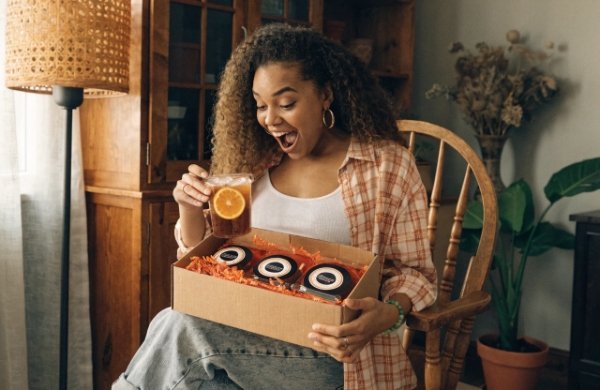 Happy customer with perfect matching packaging
At Chocopackage we remove this risk for scaling DTC founders like you. Our low MOQ from 500 pcs lets you test without big commitments. Our end-to-end orchestration means you focus on growth, not chasing suppliers.
Ready to protect your next launch? Visit our contact page or explore more on the blog.
Conclusion
A beautiful sample means nothing if the mass production batch looks completely different. Choose a partner that guarantees your bulk will match or exceed the approved sample. Your brand deserves packaging that delights customers every single time.
Get Your Sample-to-Bulk Consistency Guarantee + Quote in 24 Hours
Chat with Lily on WhatsApp Now | Download the “Sample vs Mass Production Checklist” 2026
Low MOQ from 500 pcs • Golden Sample[^1] process included • ΔE < 1 color control[^2]
[^1]: Understanding the Golden Sample concept is crucial for ensuring quality control in production.
[^2]: Effective color control is essential for maintaining brand consistency and quality in products.
[^3]: Pre-production checks can prevent costly mistakes and ensure product quality before mass production.
[^4]: Understanding premium positioning can help brands effectively market their products.
[^5]: Learning about DTC brands can provide insights into modern retail strategies and challenges.
[^6]: Understanding color variation is key to maintaining product quality and customer satisfaction.
[^7]: Optimizing production line setup can enhance efficiency and reduce errors in manufacturing.
[^8]: A spectrophotometer is essential for precise color measurement in production.
[^9]: Inspection points are critical for maintaining product quality throughout the production process.
[^10]: Rigid boxes offer premium packaging solutions that enhance product presentation.
[^11]: Folding cartons are versatile packaging options that can be customized for various products.
[^12]: Engaging unboxing videos can boost brand visibility and customer engagement.
[^13]: Sustainable shipping mailers are crucial for eco-friendly packaging solutions.