I hear the same worry from DTC founders almost every day. Your next launch feels exciting until you realize state packaging laws could delay everything or add unexpected costs.
California SB 54[^1] and New York’s plastic bag law[^2] create real pressure in 2026. Brands must meet strict recyclability[^3] and recycled content targets[^4] or face higher EPR fees, rejected shipments, and lost retail partnerships. Smart founders choose suppliers who already understand these rules and offer low-MOQ compliant options.

2026 US State Packaging Laws Impact on DTC
Many teams still hope these regulations stay “somewhere in the future.” I want to show you exactly what is happening now and how to protect your skincare, beauty, or supplement brand without killing your margins.
Why California SB 54[^1] and New York Plastic Bag Law Are Keeping DTC Founders Up at Night in 2026
Sleep feels hard when one regulation can change your entire supply chain[^5].
In 2026, California SB 54[^1] pushes brands toward 100% recyclable or compostable packaging by 2032 with recycled content targets[^4] already starting. At the same time, New York’s plastic bag law[^2] bans single-use plastic carryout bags and adds fees on paper alternatives. These rules hit DTC brands hard because most beauty and wellness packaging uses complex materials that are difficult to recycle.
I spoke with a skincare founder last month who almost lost her Amazon placement. Her beautiful stand-up pouches looked premium but failed basic recyclability[^3] checks under the new rules. The last-minute switch delayed her launch by six weeks and hurt cash flow.
Founders lose sleep over three main things:
- Sudden increases in packaging unit costs[^6] (often 10–25%)
- Fear of high EPR fees if they miss targets
- Risk that major retailers will demand proof and delay listings
Skincare, cosmetics, and nutraceuticals face extra challenges. Jars, pumps, droppers, and multi-layer pouches[^7] combine different plastics and metals. These designs protect your formula but create problems in recycling streams.
Here is a quick look at the daily worries I hear:
- Will my current rigid boxes[^8] pass SB 54 recyclability tests[^9]ps://www.ecopackables.com/blogs/news/what-does-recyclable-mean-under-california-law?srsltid=AfmBOorWD6vsf5o3d4p9YJTvN-JTjtvRgLB2zFrBLOCWogWDEBG2w1t_)[^3] tests?
- Do I need to switch all my shipping mailers to paper-based options for New York?
- How do I prove recycled content percentages during an audit?
Operations leads tell me the biggest pain is finding suppliers who offer compliant materials[^10] without forcing huge minimum orders. Traditional factories still demand 5,000+ units, which ties up capital that growing DTC brands cannot afford.
At Chocopackage we solve this exact problem every week. Our ultra-low MOQs (starting from 500–1,000 pieces) let you test compliant packaging safely. You keep your creative freedom and protect your cash flow.

SB 54 and New York Plastic Bag Law Anxiety
Our Brand Guardian color-matching technology (ΔE < 1) ensures every box and pouch still delivers that luxury unboxing moment your customers love.
What DTC Brands Must Know About California SB 54[^1] – The Key Requirements Explained
Let me make SB 54 simple so you know exactly what to do.
California SB 54[^1] requires all packaging to be recyclable or compostable by 2032. Starting in 2026, brands must meet increasing recycled content targets[^4] and report detailed data. Non-compliance means higher Extended Producer Responsibility (EPR) fees[^11] and possible barriers to selling in California.
The law applies to producers — that means you, the brand. You are responsible even if you work with suppliers.
Key requirements that matter for DTC brands include:
- Recyclability standard — Packaging must actually be recycled in California’s existing systems, not just “technically recyclable.”
- Recycled content targets — Measurable increases in post-consumer recycled (PCR) material, especially in plastic and paper formats.
- Documentation and reporting — You need clear records of material composition, certifications, and chain-of-custody.
Beauty and supplement packaging often struggles here. Rigid boxes with multiple finishes or stand-up pouches with barriers can fail if they are not designed for easy sorting.
I helped one nutraceuticals brand switch their supplement bottles and folding cartons[^12]. We used verified PCR content while keeping the premium matte finish and embossing they wanted. The new packaging passed initial SB 54 checks and kept their strong brand story.
Here is a clear breakdown:
| SB 54 Requirement | What It Means for Your Brand | Common Challenge in Skincare & Supplements |
|---|---|---|
| 100% recyclable/compostable by 2032 | All items must work in real recycling streams | Multi-material pumps and labels |
| Rising recycled content targets[^4] | Must show % of PCR material | Maintaining barrier protection for formulas |
| Detailed reporting & audits | Need third-party proof and records | Finding suppliers who provide full docs |
Our Compliance Architect team prepares the exact documents you need. This saves you hours of stress during retailer audits.
You can see examples in our nutraceuticals and supplements packaging solutions.
New York Plastic Bag Law vs California SB 54[^1]: How They Affect Your Packaging Decisions
Two different states, two sets of rules. Understanding both helps you make smarter choices.
New York’s plastic bag law[^2] bans single-use plastic carryout bags and charges fees on paper bags. California SB 54[^1] focuses on broad packaging recyclability[^3] and recycled content across all formats. Together they push DTC brands toward reusable, paper-based, or highly recyclable options for shipping and retail packaging.
The overlap creates confusion. A pouch that works for California might still cause issues in New York if used as a carryout bag. Many brands end up with separate packaging for different states, which raises costs and complexity.
Key differences I explain to founders every week:
- New York targets carryout bags specifically. It encourages reusable bags or certified paper alternatives with clear recycling instructions.
- California SB 54[^1] covers all packaging — rigid boxes[^8], folding cartons[^12], stand-up pouches, labels, and shipping mailers.
- Combined impact — You need materials that satisfy both recyclability[^3] standards and support low or no single-use plastic.
One wellness brand I worked with used to ship in plastic mailers. We helped them switch to our [sustainable shipping mailers](https://www.wcpsolutions.com/news/benefits-of-sustainable-mailers/)[^13] that meet New York rules while also supporting SB 54 goals.
Here is a simple comparison table:
| Aspect | New York Plastic Bag Law | California SB 54[^1] |
|---|---|---|
| Main focus | Single-use carryout bags | All packaging recyclability[^3] & recycled content |
| Timeline | Already active with fees | Recycled content targets start 2026 |
| Affected formats | Plastic & paper bags | Rigid boxes, pouches, cartons, labels |
| Penalty type | Direct fees on paper bags | Higher EPR fees for non-compliance |
We also offer [rigid boxes](https://www.plantswitch.com/blog/california-sb54-epr-compliance-guide)[^8] and [folding cartons](https://www.hollandmfg.com/folding-carton-stock-in-the-food-industry-safety-and-compliance-considerations/)[^12] designed to work across both states.
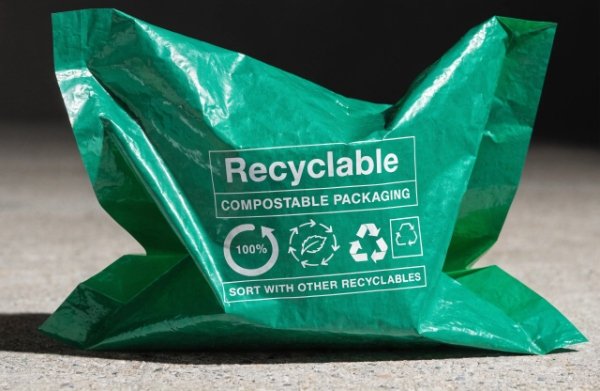
SB 54 vs New York Packaging Rules
Our stand-up pouches use mono-materials where possible to improve recyclability[^3] without losing the premium look.
Custom labels and tags can include clear recycling instructions that help both laws. See our custom labels & tags options.
How Choco Package Helps DTC Brands Stay Compliant with SB 54 and New York Rules Without Killing Margins
I built our process to remove the biggest headaches.
Choco Package helps DTC brands stay compliant by offering ultra-low MOQ compliant materials[^10] (from 500–1,000 pieces), fast 7-day prototyping, full audit-ready documentation[^14], and designs that balance luxury aesthetics with recyclability[^3] standards for both California and New York.
As Product Manager, I see the relief on founders’ faces when they realize they do not have to choose between beautiful packaging and compliance.
Our four core strengths make the difference:
- Risk Mitigator — Low MOQs let you test compliant options without tying up capital.
- Brand Guardian — Elite color-matching (ΔE < 1) keeps every unboxing perfect.
- Compliance Architect — We provide clear records for recycled content and chain-of-custody.
- End-to-End Orchestrator — From design to DDP delivery, we handle the details.
One skincare brand switched to us after their old supplier demanded 10,000 unit minimums for PCR rigid boxes[^8]. We delivered compliant samples in one week, helped them meet SB 54 targets, and kept their signature matte black and gold look.
Operations teams love our predictable timelines and low damage rates. Sustainability officers appreciate the transparent documentation that stands up to audits.
Your 2026 Compliance Action Plan: Steps DTC Brands Should Take Right Now
You do not need to feel overwhelmed. Here is a clear plan.
Start your 2026 compliance journey today by auditing your current packaging, requesting compliant samples with full documentation, choosing a low-MOQ supplier[^15], and building a simple reporting system. Acting early reduces costs and protects your launch timeline.
Here are the exact steps I recommend:
- Review all your packaging formats[^16] against SB 54 and New York requirements.
- Ask current suppliers for recycled content percentages and recyclability[^3] proof.
- Request samples from suppliers who offer low MOQs and fast prototyping.
- Test new designs with your team and key retailers.
- Document everything clearly for future audits.
Many brands I work with complete step 1 and 2 this month and move to sampling in April. This gives them plenty of time before peak 2026 deadlines.
At Chocopackage we guide you through every step. Our free checklist walks you through the questions to ask and red flags to avoid.
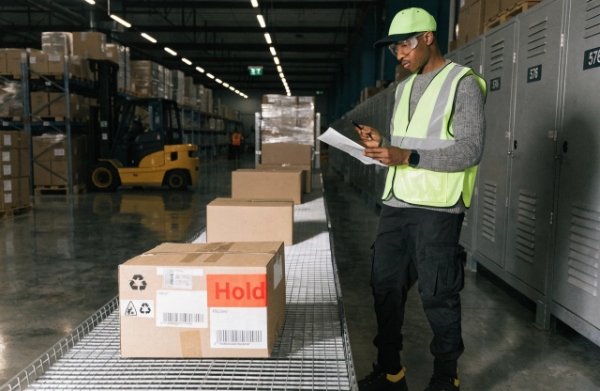
Steps to Meet California SB 54[^1] and New York Rules
The brands that act now launch faster, build stronger retailer relationships, and win loyalty from eco-conscious customers.
Get Your Free 2026 California SB 54[^1] & New York Compliance Checklist + Quote
Talk to our US Regulatory Expert on WhatsApp for quick answers.
Or request a compliant sample kit to see and feel the difference yourself.
Limited early 2026 support is available for DTC brands — secure your compliant packaging supply before deadlines tighten.
California SB 54[^1] and New York’s plastic bag law[^2] are no longer future threats — they are active regulations that directly impact your packaging costs, launch timelines, and brand reputation in 2026.
Brands that treat compliance as an afterthought risk rejected shipments, higher EPR fees, and lost retail partnerships. Those who plan ahead turn regulatory pressure into a competitive advantage by launching truly sustainable, compliant packaging that resonates with eco-conscious consumers.
Don’t let complex state laws slow down your growth. Partner with a supplier who already understands these rules and can deliver low-MOQ, beautiful, fully compliant packaging that protects both your timeline and your margins.
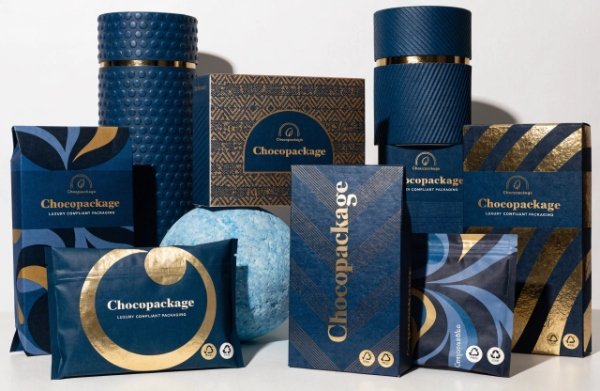
🛠️ Choco Package: Your Trusted Partner for Low MOQ Sustainable Packaging
We’re more than just a manufacturer — we’re your packaging growth partner.
With over 10 years of experience serving DTC brands worldwide, we help you launch faster, reduce risk, and create compliant, beautiful packaging that truly reflects your brand.
Why work with us?
✅ Low MOQ from just 500 pcs — perfect for testing new products safely
✅ No design? No problem — our team will guide you from concept to finished product
✅ In-house design + 7–15 day fast sampling
✅ Premium sustainable materials (FSC, PCR, Compostable) with full compliance support
✅ One-stop solution for California SB 54[^1] and New York Plastic Bag Law requirements
📩 Ready to bring your next packaging idea to life — even if you don’t have a design yet?
Let’s talk! Our team is ready to help you create compliant, sustainable packaging that meets 2026 regulations while delighting your customers.
🌐 Website: https://www.chocopackage.com
✉️ Email: lily@chocopackage.com
📱 WhatsApp: +86 134 5929 7861
[^1]: Understanding California SB 54 is crucial for DTC brands to ensure compliance and avoid penalties.
[^2]: Explore the implications of New York’s plastic bag law to adapt your packaging strategy effectively.
[^3]: Learn about recyclability standards to ensure your packaging meets legal requirements.
[^4]: Discover the recycled content targets to avoid higher fees and ensure compliance.
[^5]: Understanding the impact on the supply chain can help brands adapt effectively.
[^6]: Find strategies to mitigate rising packaging costs while maintaining compliance.
[^7]: Understanding the challenges of multi-layer pouches can help in designing better packaging.
[^8]: Understanding how rigid boxes comply can help brands choose the right packaging.
[^9]: Learn about recyclability tests to ensure your packaging meets legal standards.
[^10]: Identifying compliant materials is essential for DTC brands to avoid penalties.
[^11]: Understanding EPR fees can help brands manage costs and compliance effectively.
[^12]: Explore compliance requirements for folding cartons to avoid penalties.
[^13]: Explore sustainable shipping mailers to align with eco-friendly packaging practices.
[^14]: Learn about the importance of audit-ready documentation for smooth retailer audits.
[^15]: Discover how low-MOQ suppliers can help DTC brands manage costs and compliance.
[^16]: Identifying affected packaging formats is crucial for compliance planning.