I watch skincare founders in Australia scramble every week as new rules approach. Your beautiful premium packaging could suddenly create extra costs and delays in 2026.
The Australian Packaging Covenant[^1] is shifting toward stricter mandatory reporting[^2] and higher targets for recyclable, reusable, and compostable packaging. For skincare brands, this means you must design for easy recycling in Australian kerbside systems, increase post-consumer recycled content[^3], and prepare for retailer demands[^4] from stores like Mecca and Sephora or risk higher fees, redesign costs, and lost shelf space.

APCO Changes Impact on Skincare Launches
Many brands still treat sustainability[^5] as a nice-to-have. I want to show you exactly what is coming and how to protect your next launch without hurting your margins.
Why Most Australian Skincare Brands Are About to Face Unexpected Packaging Costs and Delays in 2026
Skincare launches already feel stressful. Now new packaging rules add hidden pressure that most teams do not see yet.
In 2026, the Australian Packaging Covenant[^1] moves closer to mandatory requirements with eco-modulated fees[^6] and stricter design standards. Skincare brands face rising costs from redesigns, higher recycled content targets, and potential delays if packaging fails recyclability checks[^7] in local systems.
I remember one Australian skincare founder who planned a big launch. Her current rigid boxes looked luxurious but used multi-layer materials that are hard to recycle here. When her retailer asked for APCO progress data, she realized she needed to change everything at the last minute. The delay cost her precious sales momentum.
Skincare packaging creates special challenges. Cream jars, serum droppers, and airless pumps often combine different plastics and metals. These designs look premium but create problems in Australian recycling streams.
Here is what most brands miss:
- Rising recycled content expectations — Brands need to show measurable increases in PCR material, especially in plastic and paper components.
- Design for recyclability — Complex multi-material formats[^8] face pressure. Mono-material or easily separable designs work better.
- Reporting burden — You must track and report packaging data[^9] more carefully, or fees can rise under the new eco-modulation model.
I see Operations leads lose sleep over sampling timelines. A four-week delay in compliant prototypes can push back an entire launch.
Let me break this down clearly with a simple table.
| Challenge for Skincare Brands | Typical Impact in 2026 | Why It Hits Skincare Hard |
|---|---|---|
| Higher PCR content targets | 8–18% added material cost initially | Premium feel must stay perfect |
| Recyclability redesign | Extra prototyping rounds | Droppers and pumps use mixed materials |
| Eco-modulated fees | Higher costs for non-compliant designs | High volume of single-use formats |
| Retailer demands | Possible delisting or delayed listings | Mecca, Sephora, Chemist Warehouse check compliance[^10] |
These issues compound fast when you sell through major Australian retailers. They increasingly require proof of APCO alignment for shelf space.
At Chocopackage, we help brands avoid these surprises. Our low MOQs from 500–1,000 pieces let you test compliant options without locking up capital. Our 7-day rapid prototyping keeps your timeline safe.

Unexpected Costs from APCO 2026
As Product Manager, I talk to Creative Directors who want that luxury unboxing moment[^11]. We deliver it with flawless color consistency (ΔE < 1) while meeting the new rules. You do not have to choose between beauty and compliance[^10].
What the Latest Australian Packaging Covenant[^1] Changes Really Mean for Skincare & Beauty Brands
The rules sound technical at first. Let me make them simple and clear.
The APCO 2030 Strategic Plan pushes for 100% reusable, recyclable, or compostable packaging, 70% plastic recycling rate, and 50% average recycled content. From 2026, reporting becomes stricter with eco-modulated fees[^6] that reward better designs and penalize harder-to-recycle ones.
The old voluntary approach is fading. National regulations expected in 2026 will make alignment with APCO targets more important than ever.
For skincare brands, this means three big shifts:
- Design for recovery — Packaging must work in Australian kerbside recycling. Avoid black plastics, mixed laminates, and hard-to-separate components.
- Recycled content growth — You need to increase PCR in jars, tubes, and cartons. This applies especially to plastic-heavy beauty formats.
- Transparent reporting — Brands must provide clear data on material sources and end-of-life performance.
I help many Product Development Managers navigate this. One team switched from a complex folding carton with multiple finishes to a simpler mono-material version. The new design still felt premium thanks to smart embossing and spot UV, and it passed recyclability checks[^7] easily.
Here is a quick comparison of key terms that confuse many founders:
- Recyclable — Can go in your kerbside bin and actually get processed in Australia.
- Compostable — Breaks down in industrial facilities (home compost is rarer for beauty packaging).
- PCR (Post-Consumer Recycled) — Material already used by consumers and turned back into new packaging.
Skincare needs protective barriers for formulas, so we balance performance with circularity. Airless systems and pumps can use more recycled content without compromising stability.
Explore our cosmetics personal care packaging solutions to see options designed for Australian conditions.
We also support rigid boxes and folding cartons that meet design-for-recyclability guidelines while keeping your brand story strong.
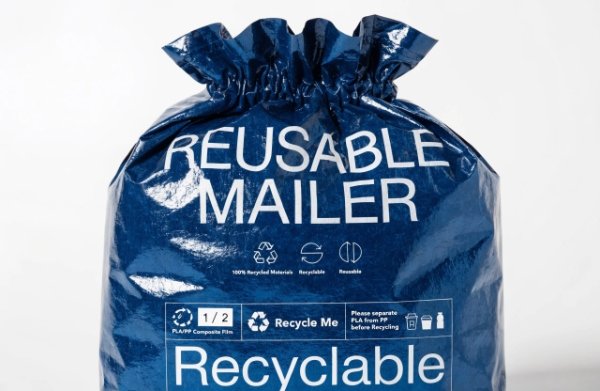
Australian Packaging Covenant[^1] Changes 2026
Our Compliance Architect team stays on top of updates so you do not have to. This lets you focus on formulation and marketing.
The Hidden Risks of Non-Compliant Packaging – From Fines to Lost Retail Partnerships
Non-compliance[^10] looks small until it hits your business.
Using packaging that fails APCO recyclability or recycled content standards can lead to higher eco-modulated fees[^6], redesign expenses, shipment issues, and lost partnerships with major retailers like Mecca and Sephora who now demand proof of progress.
I have seen brands face surprise costs when retailers ask for APCO reporting during listing reviews. One beauty line almost lost Chemist Warehouse placement because their pouches did not separate cleanly for recycling.
The risks go beyond money:
- Financial hits — Increased fees and redesign budgets eat into margins.
- Timeline slips — Last-minute changes delay launches by weeks or months.
- Reputation damage — Eco-conscious Australian consumers notice when brands fall short.
- Retail barriers — Major stores make compliance[^10] a condition for shelf space.
Sustainability Officers tell me the fear of greenwashing accusations adds extra stress. Vague claims without data no longer work.
Here is a list of common hidden risks[^12] I see:
- Multi-material pumps that contaminate recycling streams
- Colored or metallized components that sorting machines reject
- Lack of chain-of-custody proof for recycled content
- No support for EPR-style reporting that is coming
Operations teams hate the uncertainty. Predictable supply chains matter when you scale across Australia and export.
At Chocopackage we act as your Risk Mitigator. Low MOQs mean you test compliant materials safely. Our Brand Guardian technology keeps visual consistency perfect across every batch.
Check our [sustainable shipping mailers](https://www.toppan-usa.com/news/sustainable-packaging-for-cosmetics/)[^13] and stand up pouches for formats that work well in Australian systems.
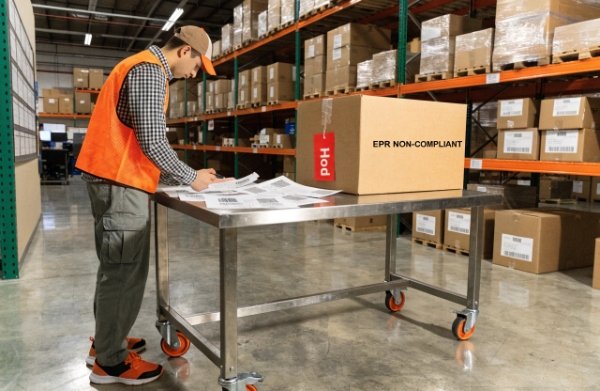
Hidden Costs of APCO Non-Compliance
We also offer [custom labels and tags](https://www.modelgraphicsinc.com/resources/blog/how-businesses-can-use-custom-labels-and-tags-to-build-trust/)[^14] that include clear recycling instructions to help your customers and strengthen your compliance[^10] story.
How Smart Skincare Brands Are Preparing for the New APCO Requirements Without Killing Margins
Smart brands turn these changes into an advantage.
Successful skincare brands prepare by choosing suppliers who offer low-MOQ compliant materials, fast prototyping, full documentation, and designs that balance luxury aesthetics with recyclability. This approach keeps costs under control and speeds up launches.
I work with visionary founders who test small batches first. They iterate quickly and scale only when the packaging meets both brand standards and APCO goals.
Practical steps many of our clients take include:
- Start with mono-material or easily separable structures
- Incorporate verified PCR content where it fits the formula protection needs
- Request full audit-ready documentation from day one
- Use rapid 7-day prototyping to validate options fast
One Creative Director I helped redesigned her serum packaging with a simpler rigid box and PCR paper elements. The unboxing still felt luxurious, costs stayed manageable, and the retailer loved the compliance[^10] package.
Here is how we support different roles at your brand:
| Role | How We Help | Benefit You See |
|---|---|---|
| Founder / CEO | Low MOQ testing without capital risk | Faster iteration and confident scaling |
| Operations Lead | Predictable timelines and global DDP delivery | No surprises, on-time launches |
| Sustainability Officer | Verifiable certifications and clear reports | Lower risk, stronger retailer relationships |
| Product Development Manager | Collaborative custom structures and finishes | Creative freedom with compliance[^10] built in |
Our End-to-End Orchestrator approach simplifies everything. From structural design to delivery, we handle the details.
You can learn more on our about page or explore the full range at https://www.chocopackage.com/.
We also support [luxury gift packaging](https://www.amcor.com/insights/blogs/beauty-packaging-trends)[^15] and [e-commerce retail shipping](https://cart.com/blog/beauty-ecommerce-fulfillment)[^16] solutions that align with Australian expectations.
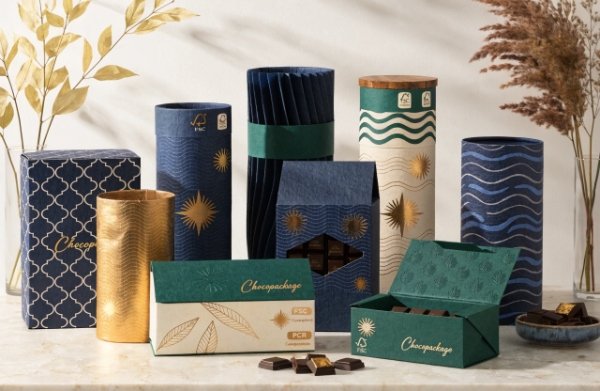
How Brands Prepare for 2026 APCO Changes
This preparation turns compliance[^10] into a marketing strength. Australian consumers reward brands that show real care for the environment.
Protect Your Next Skincare Launch – Get Your Free 2026 APCO Compliance Checklist Today
Your next launch deserves smooth sailing.
Download your free 2026 APCO Compliance Checklist and get a skincare packaging quote today. It includes exact steps, questions for suppliers, and red flags to watch so you launch on time with beautiful, compliant packaging.
Limited early 2026 support is available for skincare brands. Secure your supply before deadlines tighten.
Get Your Free 2026 APCO Compliance Checklist + Skincare Packaging Quote
Talk to our Australian market packaging expert on WhatsApp for quick answers.
Or request a compliant sample kit to feel the quality yourself.
The Australian Packaging Covenant[^1] is no longer voluntary — it’s becoming a critical part of doing business in the skincare and beauty sector. Brands that treat these changes as just another checkbox will face higher costs, supply chain disruptions[^17], and lost retail opportunities.
Those who act early and partner with experienced suppliers will turn compliance[^10] into a competitive advantage — launching faster, reducing risk, and building stronger brand trust with eco-conscious Australian consumers.
Don’t let the 2026 Packaging Covenant changes catch your next skincare launch off guard. Choose a packaging partner who already understands the new rules and can deliver compliant, beautiful, low-MOQ solutions that protect both your timeline and your margins.
Visit our blog for more guides or contact us to start the conversation.
🛠️ Choco Package: Your Trusted Partner for Low MOQ Sustainable Packaging
We’re more than just a manufacturer — we’re your packaging growth partner.
With over 10 years of experience serving DTC brands, startups, and established businesses worldwide, we help you launch faster, reduce risk, and create packaging that truly reflects your brand.
Why work with us?
✅ Low MOQ from just 500 pcs — perfect for testing new products
✅ No design? No problem — our team will guide you from concept to finished product
✅ In-house design + 7–15 day fast sampling
✅ Premium sustainable materials (FSC, PCR, Compostable)
✅ One-stop custom packaging solution with full compliance[^10] support
📩 Ready to bring your packaging idea to life — even if you don’t have a design yet?
Let’s talk! Our team is ready to help you create beautiful, sustainable packaging that delights your customers.
🌐 Website: https://www.chocopackage.com
✉️ Email: lily@chocopackage.com
📱 WhatsApp: +86 134 5929 7861
[^1]: Understanding the Covenant is crucial for compliance and avoiding unexpected costs.
[^2]: Stay informed about reporting obligations to ensure your brand meets compliance standards.
[^3]: Discover how PCR content can improve sustainability and brand reputation.
[^4]: Understanding retailer requirements is key to maintaining shelf space and sales.
[^5]: Explore the growing consumer demand for sustainable practices in the beauty industry.
[^6]: Learn how these fees can impact your bottom line and compliance strategies.
[^7]: Learn how these checks can prevent costly redesigns and delays.
[^8]: Understanding these challenges can help brands design better packaging solutions.
[^9]: Accurate data tracking is essential for meeting new reporting requirements.
[^10]: Find out how to navigate compliance challenges and avoid costly penalties.
[^11]: Discover ways to balance aesthetics with sustainability in packaging design.
[^12]: Identifying these risks can help brands avoid costly mistakes.
[^13]: Learn how sustainable mailers can enhance your brand's eco-friendly image.
[^14]: Effective labeling can guide consumers and strengthen your compliance story.
[^15]: Stay ahead of trends to create appealing and compliant gift packaging.
[^16]: Optimize your shipping strategy to enhance customer satisfaction and compliance.
[^17]: Explore strategies to maintain a smooth supply chain amidst regulatory changes.