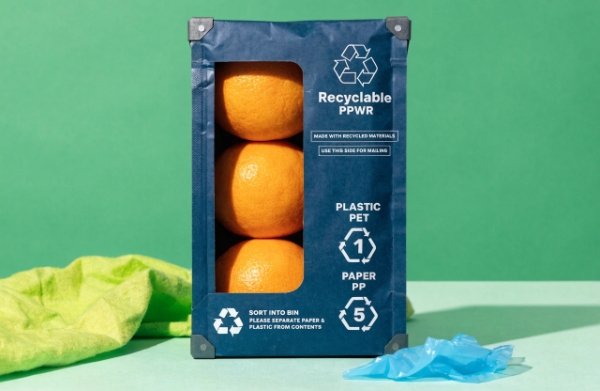
The new EU rules put real pressure on DTC brands. Many face higher costs and compliance risks if they ignore the changes. I see this every day in my work at Choco Package.
DTC brands must prepare for stricter recyclability, recycled content targets, and EPR fees starting in August 2026 under the PPWR. Non-compliant packaging can face market access blocks, fines, and higher producer responsibility costs. Smart preparation now keeps your launches on track and protects margins.

DTC brand preparing for EU EPR
I have helped many premium DTC brands in skincare and wellness navigate supply chain challenges. When we first heard about the 2026 updates, several founders worried about redesign costs killing their cash flow. But I also saw how early action turned this into a real advantage. Let me walk you through what matters most.
Why 2026 EU EPR Regulations Will Hit DTC Brands Harder Than Expected?
Many DTC brands sell directly into Europe. They feel the impact fast because they handle everything from design to customer delivery.
The 2026 EU EPR rules shift full responsibility to producers like DTC brands. You now pay for the entire packaging lifecycle, including collection and recycling. This hits harder than expected because small orders and frequent launches make compliance complex and expensive without the right partner.

Impact of EPR fees on DTC margins
DTC brands operate differently from big retailers. You test new products often. You keep inventory low to stay agile. But the new rules change that game.
I remember one founder I worked with last year. She ran a growing cosmetics brand. She sold beautiful serum boxes to customers in Germany and France. Her old packaging looked premium, but it used mixed materials that were hard to recycle. When we reviewed her options for 2026, she realized she faced two problems.
First, she would pay higher EPR fees through producer responsibility organizations. These fees depend on how recyclable your packaging is. Harder-to-recycle options cost more per kilogram placed on the market.
Second, the rules set clear recyclability grades. Packaging must meet design-for-recycling criteria. From 2030, only higher-grade options stay on the market without issues. Non-compliant packaging risks being blocked.
Let me break this down further with some structure.
The unique pressures on DTC brands
DTC brands launch new packaging more often than traditional companies. You want fresh designs for each product drop. But each new design now needs checks for recyclability and labeling.
E-commerce packaging faces extra scrutiny. The rules limit empty space in shipments. They push for right-sized boxes and mailers. Many DTC brands use flexible pouches or custom inserts. These must now prove they fit the new standards.
Real risks if you delay
If you wait, you risk sudden cost jumps. EPR fees start based on 2026 data but hit invoices later. Brands in the highest fee category can pay 70-90% more than necessary. That eats into your margins fast.
Market access is another issue. Fulfillment providers may stop services for non-compliant packaging. Online platforms check producer registration. You do not want your products pulled during peak season.
Why it feels harder for smaller brands
You do not have big legal teams. You source from multiple suppliers. Coordinating compliance across suppliers takes time. Many traditional factories demand high minimum orders. That locks your capital and slows iteration.
I see this pattern often. Founders focus on the unboxing experience. They add foils, embossing, or special finishes. These look amazing but can hurt recyclability scores if not chosen carefully.
Data points that matter
Brands must report packaging volumes and materials. They pay fees modulated by eco-design. Better recyclability means lower fees. This creates a clear incentive but also upfront work.
For DTC brands selling cross-border, one set of rules now applies across the EU. That brings some simplicity. But it also means no more hiding behind different national systems.
In my experience, brands that start early avoid panic. They test compliant materials with low MOQs. They keep their creative freedom while meeting the rules.
This regulation pushes everyone toward circular design. But for fast-moving DTC brands, the transition feels intense without support. That is why many reach out to partners who already understand the details.
I have seen brands turn this challenge into a story. They tell customers about their sustainable choices. That builds loyalty. But only if you act before the August 2026 deadline.
Learn more about sustainable packaging options for DTC brands
Key Changes in the New EU Packaging and Packaging Waste Regulation (PPWR) for 2026?
The PPWR replaces older rules with one clear framework. It applies directly from August 2026.
From August 2026, all packaging on the EU market must follow harmonized rules for recyclability, labeling, and producer responsibility. Key changes include mandatory design for recycling, EPR registration, and future recycled content targets for plastics.
EU PPWR labeling requirements
The regulation entered into force in February 2025. General application starts August 12, 2026. Some labeling and other details phase in later, but brands need to prepare designs now.
Let me explain the main shifts I discuss with clients every week.
Recyclability at the core
All packaging must be recyclable by design. This means materials and construction allow collection, sorting, and reprocessing at scale. The EU sets performance grades. Higher grades bring better EPR fee rates.
From 2030, packaging needs to meet minimum recyclability levels. Grade C or better becomes the baseline in many cases. Lower grades face restrictions.
Extended Producer Responsibility (EPR)
You, as the producer, register in each relevant member state or use an authorized representative. You report data on packaging placed on the market. You pay fees to PROs. These fees reflect the environmental cost of your packaging.
Eco-modulation of fees rewards better design. Recyclable, low-impact packaging costs less. Problematic formats cost more.
Labeling and information requirements
Packaging needs clear labels. These show material type, recyclability instructions, and sorting guidance. Reusable packaging gets special marks to distinguish it from single-use.
From 2028 onward, harmonized labeling applies more strictly. Brands must provide contact details and compliance statements.
Recycled content targets
For plastic packaging, minimum recycled content kicks in from 2030. Targets vary by type. Contact-sensitive plastics start at 10-30% post-consumer recycled material, rising later.
This pushes brands to source verified recycled materials. Traceability becomes important.
Reuse and minimization
The rules encourage reuse systems for certain transport and sales packaging. They also limit excessive packaging and empty space, especially in e-commerce.
Declaration of Conformity
From August 2026, you need technical documentation and an EU Declaration of Conformity for your packaging types. This proves you meet the requirements.
Here is a simple table that summarizes the timeline for DTC brands:
| Requirement | Key Date | What It Means for DTC Brands |
|---|---|---|
| General application | Aug 2026 | Harmonized rules apply across EU |
| EPR registration & reporting | 2026 onward | Register as producer, pay modulated fees |
| Recyclability grades | Phased to 2030 | Design for recycling becomes mandatory |
| Recycled content in plastics | From 2030 | Minimum % targets for plastic components |
| Harmonized labeling | 2028+ | Clear sorting and material info required |
I always tell founders to focus on design first. Choose materials that fit these criteria from the start. Mixed laminates or hard-to-separate components create problems.
One client in wellness products switched to mono-material structures. Their boxes stayed premium with nice finishes. But the new design scored better on recyclability. They avoided future redesign costs.
Read our guide on choosing recyclable materials
The changes aim for a circular economy. They reduce waste and harmonize rules. For DTC brands, this means more planning but also clearer standards than the old patchwork of national laws.
The Real Business Impact: Higher Costs, Compliance Risks, and Brand Reputation at Stake?
Non-compliance brings direct pain to your operations and bottom line.
Ignoring the 2026 rules can lead to higher EPR fees, product delistings, fines, and lost customer trust. DTC brands risk margin erosion and slower growth when packaging blocks market access or damages their eco-conscious image.

Compliance risk in supply chain
I talk to operations leads who worry about predictable timelines. One supply chain manager shared how a delayed compliant redesign pushed back their entire EU launch by months. That hurt sales targets.
Costs rise in several ways. EPR fees are calculated per kilogram. Poorly designed packaging lands in higher fee brackets. Some estimates show 70-90% extra cost if you default to the worst category.
Redesign work itself costs money and time. But delaying it often costs more. You may need rushed changes later when suppliers are busy.
Compliance risks go beyond fees. Fulfillment partners can suspend services for non-compliant stock. Marketplaces require proof of producer registration. Without it, your listings suffer.
Brand reputation matters a lot for premium DTC. Your customers care about sustainability. If they see greenwashing accusations or products pulled for non-compliance, trust drops. Bad reviews spread fast on social media.
Scenarios that hit hard
Imagine launching a new skincare gift set. Your beautiful rigid boxes look luxury. But the mixed materials fail recyclability checks. Customers in Europe complain about disposal instructions. Review scores fall. Sales slow.
Or picture peak season. Your mailers use non-compliant flexible plastic. Customs or platforms flag them. Orders get held. Refunds and angry customers follow.
Data reporting adds workload. You track weights, materials, and volumes per market. Errors lead to penalties.
For scaling brands, cash flow suffers when you tie up money in high-MOQ inventory that later needs replacement.
I worked with a creative director who loved hot foil stamping. We found ways to keep that premium touch while using certified recyclable boards. The result protected their positioning without extra risk.
Reputation also offers upside. Brands that communicate compliant, sustainable packaging well see stronger loyalty. Customers share their unboxing stories more.
But the risks feel immediate for operations teams. They need zero surprises in quality and delivery.
Explore how to protect your brand with compliant packaging
The impact is real. Higher costs hit margins. Compliance headaches slow launches. Reputation damage affects long-term growth. Yet brands that prepare smartly avoid these traps and even gain advantage.
How Smart DTC Brands Are Preparing for EPR Compliance Without Killing Margins?
Many brands balance compliance with creativity and cost control.
Smart DTC brands audit current packaging, switch to mono-materials and certified options, test with low MOQs, and partner with experts. They redesign early to meet recyclability while keeping premium feel and protecting cash flow.

DTC team preparing compliant packaging
I see pragmatic approaches that work. Founders start with an audit. They list all packaging types and check against PPWR criteria.
They prioritize high-volume items first. They look for mono-material solutions that still allow embossing, spot UV, or foil where it fits recyclability.
Low MOQ suppliers help a lot. You test designs without ordering thousands of units. You iterate fast and keep capital free.
Practical steps I recommend
First, map your packaging portfolio. Identify which items go to EU markets. Check current recyclability.
Second, source FSC or GRS certified materials. These support compliance and tell a good story.
Third, design for recycling. Avoid unnecessary layers. Choose materials that separate easily at sorting facilities.
Fourth, plan labeling early. Build in space for clear symbols and instructions.
Fifth, build a compliance file. Gather declarations, test reports, and data for your records.
Many brands use the 2025 period for prototyping. They run small tests with customers to check unboxing experience.
One product development manager I helped wanted complex structural designs. We created a custom box with reinforced corners using recyclable board. It passed strength tests and looked high-end. MOQ stayed low, so they launched without big risk.
Operations leads love predictable timelines. They choose partners with fast sampling, often 7 days, and consistent color matching.
Sustainability officers check certifications. They want transparent supply chains to avoid greenwashing claims.
Tools and tactics that save money
Eco-modulated fees reward good design. Investing in better materials now lowers long-term fees.
Right-sizing reduces material use and shipping costs. It also helps meet minimization rules.
Reusable options work for some B2B or return programs, though not always for consumer DTC.
I always suggest starting conversations early with suppliers who know the rules. They help navigate the details.
See examples of compliant premium packaging
Smart preparation keeps margins healthy. You maintain creative control. You launch on time. And you turn regulation into a brand strength.
How Choco Package Helps DTC Brands Meet 2026 EU EPR Requirements with Low MOQ Sustainable Solutions?
At Choco Package, we act as your compliance architect and risk mitigator.
Choco Package delivers FSC and GRS certified packaging that meets EU EPR and PPWR standards. With low MOQs from 500-1000 pieces, rapid prototyping, and elite color consistency, we help DTC brands stay compliant without sacrificing luxury feel or tying up capital.
I am Lily Chen, product manager here. We bridge the gap between premium vision and operational reality.
We offer verified certifications for FSC, GRS, and other standards. Our materials support high recyclability grades. We help you design mono-material structures or compatible formats.
Low MOQs give you freedom. Test new designs. Iterate based on feedback. Launch without large inventory commitments.
Our 7-day rapid prototyping speeds up development. You see and feel the packaging fast. Color matching stays tight with ΔE < 1, so every batch looks the same.
We handle structural innovation. Spot UV, embossing, hot foil, debossing – we make them work with compliant bases.
End-to-end support covers design to DDP delivery. We manage global logistics so you focus on growth.
Many skincare and wellness brands we partner with now use our solutions for EU markets. Their unboxing moments stay magical. Their compliance worries drop.
We understand the pressures you face. We eliminate the inventory trap. We guard your brand image. We architect compliance into every project.
Contact us to discuss your 2026 packaging needs
Conclusion
The clock is ticking. With the 2026 EU EPR regulations approaching fast, DTC brands that act now will gain a significant competitive advantage — while those who wait risk higher costs, compliance headaches, and damaged brand reputation.
Don’t let new packaging rules slow down your growth. Partner with a supplier who already understands the requirements and can deliver compliant, beautiful, low-MOQ packaging that protects both your products and your margins.
Get Your Free 2026 EU EPR Packaging Compliance Checklist + Quote
Talk to Our EPR Expert on WhatsApp
Request Compliant Sample Kit for 2026
Limited 2026 early-bird support for DTC brands – secure your compliant packaging supply before Q4 2025.
FAQ
What is the EU EPR Regulation and when does it take effect?
The EU EPR forms part of the PPWR. It makes producers responsible for packaging waste management. Main obligations apply from August 2026.
How will the new PPWR affect DTC brands launching packaging in Europe?
DTC brands must ensure recyclability, register for EPR, pay modulated fees, and meet labeling rules. Non-compliance risks higher costs and market blocks.
What are the main packaging requirements under the 2026 EU EPR rules?
Key requirements include design for recycling, minimum recycled content targets for plastics (from 2030), clear labeling, and producer reporting.
Do I need to redesign all my packaging before 2026?
Not all at once, but audit high-volume EU items now. Prioritize changes for items that fail recyclability or face high fees.
How can Choco Package help my brand meet EU EPR compliance?
We provide certified sustainable materials, low MOQ options, fast prototyping, and expert guidance on compliant designs that keep your premium look.
What is the difference between recyclable, reusable, and compostable packaging under the new rules?
Recyclable packaging returns to new materials at scale. Reusable packaging supports multiple cycles in systems. Compostable breaks down in specific conditions but faces stricter limits under PPWR for certain uses.